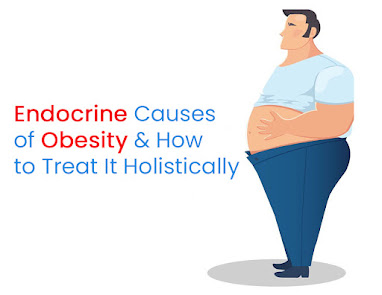
Hormones That Control Weight & Metabolism
Voice & Featured Snippet Summary
Weight gain is not only about diet—hormones play a major role in how your body stores fat,
burns calories, controls hunger, and manages metabolism. Understanding hormones like
insulin, thyroid, cortisol, leptin, and ghrelin helps identify hidden causes of weight gain
and supports effective long-term weight loss.
Introduction
Many people believe weight gain happens only because of overeating or lack of exercise.
In reality, hormonal imbalance is one of the biggest reasons for sudden weight gain,
slow metabolism, stubborn belly fat, and difficulty losing weight—especially in people
with diabetes, thyroid issues, PCOS, or chronic stress.
This blog explains:
- Which hormones affect weight gain
- How hormones control metabolism
- Why weight increases even when eating less
- Which hormone causes belly fat
- How to balance hormones naturally for weight loss
1. Insulin — The Fat-Storage Hormone
Insulin controls how the body uses sugar for energy. When insulin levels remain high
(insulin resistance), the body stores more fat—especially around the abdomen.
Why High Insulin Causes Weight Gain
- Sugar is pushed into fat cells
- Insulin resistance causes excess insulin release
- Leads to belly fat and carbohydrate cravings
- Slows fat-burning process
Signs of High Insulin
- Belly fat
- Dark neck patches (Acanthosis Nigricans)
- Sugar cravings
- Fatigue after meals
Keyword: What hormone is responsible for belly fat?
Answer: High insulin levels are a major cause.
2. Thyroid Hormones — The Metabolism Regulators
The thyroid gland produces T3 and T4 hormones that determine how fast your body burns calories.
Hypothyroidism (Low Thyroid) Causes
- Slow metabolism
- Unexplained weight gain
- Fatigue
- Cold intolerance
- Hair loss
- Water retention
Keyword: Can thyroid cause weight gain even if I eat less?
Answer: Yes — a slow thyroid reduces calorie burning.
3. Cortisol — The Stress Hormone
Cortisol increases during stress, anxiety, or poor sleep and directly affects fat storage.
High Cortisol Leads To
- Belly fat accumulation
- Increased appetite
- Emotional eating
- Sugar and salt cravings
- Insulin resistance
- Muscle breakdown
Keyword: Does stress increase belly fat?
Answer: Yes — cortisol is directly linked to abdominal fat.
4. Leptin — The Satiety (Fullness) Hormone
Leptin signals the brain that you are full. In leptin resistance, the brain ignores this signal.
Effects of Leptin Resistance
- Constant hunger
- Cravings even after eating
- Weight gain despite normal meals
Keyword: Why do I feel hungry all the time?
Answer: Leptin resistance may be the reason.
5. Ghrelin — The Hunger Hormone
Ghrelin increases appetite and hunger signals.
Causes of High Ghrelin
- Poor sleep
- Skipping meals
- Crash dieting
- High stress lifestyle
Keyword: Which hormone increases hunger?
Answer: Ghrelin.
6. Estrogen — The Female Hormone Affecting Fat Storage
High Estrogen (PCOS)
- Increased fat storage
- Bloating
- Insulin resistance
Low Estrogen (Menopause)
- Slow metabolism
- Belly fat
- Mood and sleep issues
7. Progesterone — Fluid Balance Hormone
- Water retention
- Belly bloating
- Mood changes
- PMS-related weight fluctuations
8. Testosterone — Muscle & Fat-Burning Hormone
- Low levels reduce muscle mass
- Slow metabolism
- Fat accumulation
- Low energy
9. Adiponectin — Fat-Burning Support Hormone
- Improves fat burning
- Increases insulin sensitivity
- Reduces inflammation
How to Balance Hormones Naturally
1. Hormone-Friendly Diet
- High-protein foods
- Fiber-rich vegetables
- Healthy fats
- Whole grains
- Low-GI fruits
Avoid
- Sugary snacks
- Refined carbohydrates
- Fast food
- Excess caffeine
2. Exercise Regularly
- Strength training
- Brisk walking
- Cycling
- Yoga
- HIIT workouts
3. Improve Sleep
Aim for 7–9 hours of quality sleep daily.
4. Reduce Stress
- Meditation
- Deep breathing
- Yoga
- Music therapy
- Outdoor activities
Conclusion
Weight gain is not just about calories—hormones play a powerful role in appetite,
metabolism, fat storage, and energy levels. Identifying and correcting hormonal imbalances
through lifestyle changes and medical care can restore metabolism and support long-term
weight management.