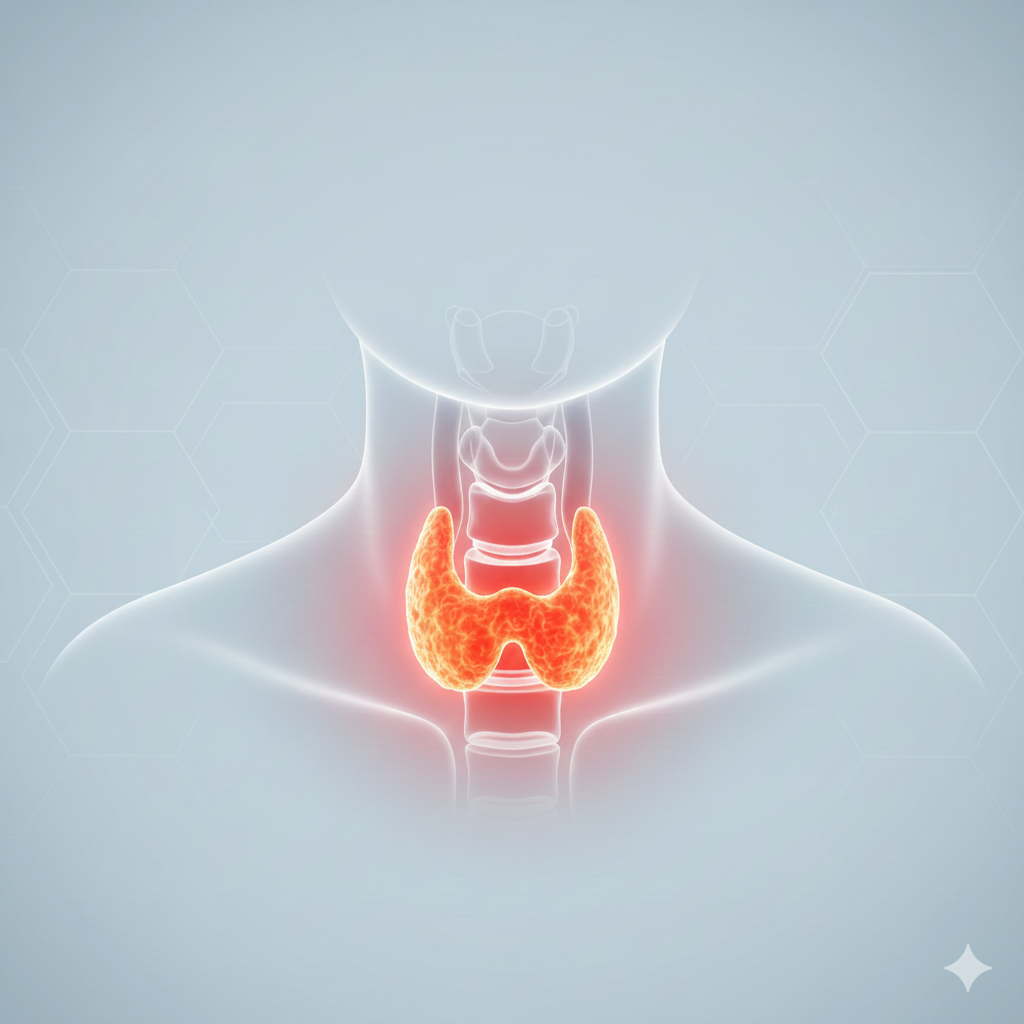
Hyperthyroidism: Understanding the Signs of an Overactive Thyroid
2025-11-27 05:44:22
The monsoon season brings much-needed relief from the summer heat, but for many people living with thyroid issues, it also brings new concerns. Changes in humidity, temperature, and immunity during this season can impact overall health and sometimes worsen thyroid-related symptoms. Unfortunately, many myths surround thyroid health in the rainy season. Let's separate the myths from the facts.
Myth 1: Monsoon weather directly worsens thyroid problems
Weather changes don't directly damage your thyroid gland. However, during monsoon, infections are more common, vitamin D levels drop due to less sunlight, and changes in routine (like reduced physical activity) can indirectly affect thyroid management.
Myth 2: You should stop thyroid medicine during monsoon
Thyroid medications should never be stopped without your doctor's advice, regardless of the season. Missing doses can cause fatigue, mood swings, hair fall, and weight changes.
Myth 3: Eating leafy greens in monsoon is bad for thyroid patients
Leafy greens are healthy, but during monsoon they are more prone to contamination and infections. Wash vegetables thoroughly, cook them well, and consume in moderation. Goitrogenic foods (like raw cabbage, cauliflower, soy) should be taken in controlled amounts, not avoided completely.
Myth 4: Weight gain during monsoon always means thyroid problems
Many people feel less active and crave fried foods during rainy days, which can cause weight gain. While thyroid imbalance can also lead to weight issues, it's important to consult a doctor and check hormone levels before assuming the cause.
Tips for Thyroid Care in Monsoon
Stick to your thyroid medication schedule without fail Get regular thyroid function tests as advised Include immune-boosting foods like ginger, turmeric, and citrus fruits Maintain physical activity indoors if outdoor walks aren't possible Ensure safe, clean drinking water and well-cooked meals to avoid infections Check your vitamin D levels and take supplements if prescribed Thyroid problems require consistent care throughout the year, and the monsoon season is no exception. The key is to stay informed, avoid common myths, and follow your endocrinologist's advice. With the right precautions, you can enjoy the rains while keeping your thyroid health under control.
Book Appointment
Facebook | Instagram | Twitter | Linkedin | Pinterest