
Personalized Diabetes Care: Because Every Sugar Story Is Different
2025-10-17 08:07:23
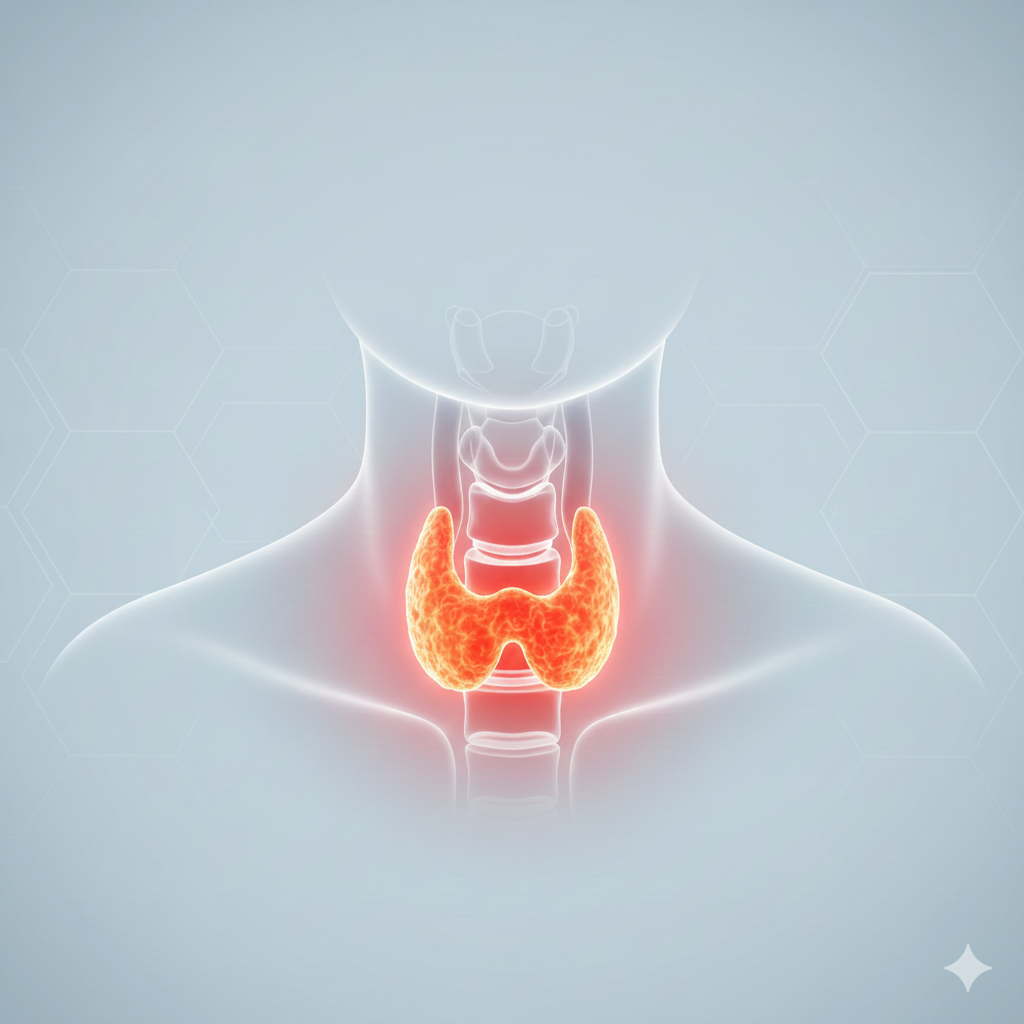
The thyroid gland may be small, but it plays a powerful role in regulating your body's energy, metabolism, and overall functioning. When the thyroid becomes overactive and produces excess thyroid hormones, the condition is known as hyperthyroidism. This hormonal imbalance can lead to several noticeable symptoms some mild, some severe that should never be ignored.
Early diagnosis and treatment are crucial to prevent complications such as heart problems, bone loss, and long-term metabolic disturbances.
What Is Hyperthyroidism?
Hyperthyroidism occurs when the thyroid gland (located in the front of the neck) produces too much T3 (triiodothyronine) and T4 (thyroxine) hormones. These hormones regulate how fast the body uses energy, so when their levels rise, the body's metabolism speeds up dramatically.
Common Symptoms of Hyperthyroidism
Many people don't immediately recognize the signs because they resemble anxiety or lifestyle-related issues. Here are the key symptoms to look out for:
Palpitations or a racing heart even at rest is one of the earliest signs.
Even with a normal or increased appetite, people with hyperthyroidism often lose weight.
Excess thyroid hormone affects the nervous system, causing restlessness, nervousness, or mood swings.
Feeling unusually warm or sweating excessively, even in cool weather.
Mild shaking in the hands and fingers.
Despite increased metabolism, the body gets tired easily, especially the thigh and shoulder muscles.
Insomnia is common due to increased nervous system activity.
Lighter, less frequent periods or fertility issues.
A visible swelling at the base of the neck.
If you notice two or more of these symptoms, it's important to get evaluated by an endocrinologist.
What Causes Hyperthyroidism?
Graves' Disease (most common cause) Thyroid Nodules producing excess hormones Thyroiditis (inflammation of the thyroid) Excessive iodine intake Overuse of thyroid hormone medication An endocrine consultation helps identify the exact cause.
How Is Hyperthyroidism Diagnosed?
Thyroid function blood tests (TSH, T3, T4) Thyroid ultrasound Radioactive iodine uptake test (in selected cases) Physical examination of the neck These help determine the type and severity of hyperthyroidism.
Treatment Options
Medications- Anti-thyroid drugs to reduce hormone production.
Radioactive Iodine Therapy- Destroys overactive thyroid cells.
Beta-blockers-To control symptoms like fast heartbeat and anxiety.
Surgery-Rarely required but may be recommended if medicines don't work or nodules are large.
With the right treatment, most patients recover well and regain normal thyroid function.
Hyperthyroidism can significantly impact your daily life from your heartbeat to your mood and weight. Recognizing the symptoms early and getting timely medical evaluation is the key to preventing long-term complications.
If you are experiencing symptoms like rapid heartbeat, sudden weight loss, or anxiety, don't wait.
Book Appointment
Facebook | Instagram | Twitter | Linkedin | Pinterest