Low Testosterone? Signs Men Should Never Ignore
2025-07-17 11:29:00
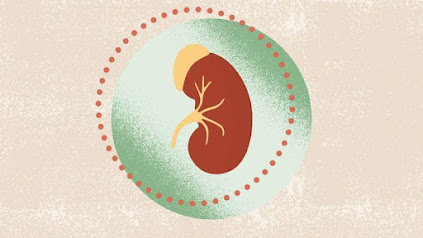

Cushing's Syndrome is a hormonal disorder caused by excess cortisol,
often referred to as the body's “stress hormone.” While cortisol plays an
important role in maintaining blood pressure, immunity, and metabolism, too
much of it can lead to serious health complications. Because the symptoms can
develop slowly and may look like common lifestyle issues, Cushing's Syndrome
often goes undiagnosed for months or even years.
Early detection is the key to preventing long-term damage and improving
quality of life.
What Is Cushing's Syndrome?
Cushing's Syndrome occurs when the body is exposed to high levels of
cortisol for a long time.
This can happen due to:
An endocrinologist plays a central role in diagnosing and treating this
complex condition.
Symptoms You Should Pay Attention To
Many signs of Cushing's Syndrome may seem unrelated, but when they occur
together, they form a clear pattern:
1. Unusual Weight Gain
2. Persistent Fatigue
Cortisol imbalance affects energy levels, leading to exhaustion even
after rest.
3. High Blood Pressure (Hypertension)
Cortisol elevates blood pressure and increases risk of heart disease.
4. Round “Moon Face”
Swelling of the face is a classic symptom.
5. Purple Stretch Marks (Striae)
Especially on the belly, arms, or thighs.
6. Mood Changes
Depression, anxiety, irritability, or emotional instability.
7. Muscle Weakness
Difficulty climbing stairs, lifting objects, or even walking long
distances.
8. Skin Changes
Skin may become thin, bruise easily, and take longer to heal.
Why Early Diagnosis Matters
Without treatment, Cushing's Syndrome can lead to:
Diagnosing Cushing's Syndrome early helps prevent long-term
complications and improves treatment success.
How Is Cushing's Syndrome Diagnosed?
Your endocrinologist may recommend:
These tests help identify the root cause of cortisol excess.
Treatment Options
The treatment depends on the cause:
With proper treatment and follow-up, most patients recover well.
Cushing's
Syndrome may start silently, but its effects can be serious. If you are
experiencing unusual weight gain, fatigue, mood changes, or high BP,
don't ignore the symptoms. Timely treatment makes a significant difference.