Hyperthyroidism: Understanding the Signs of an Overactive Thyroid
2025-11-27 05:44:22
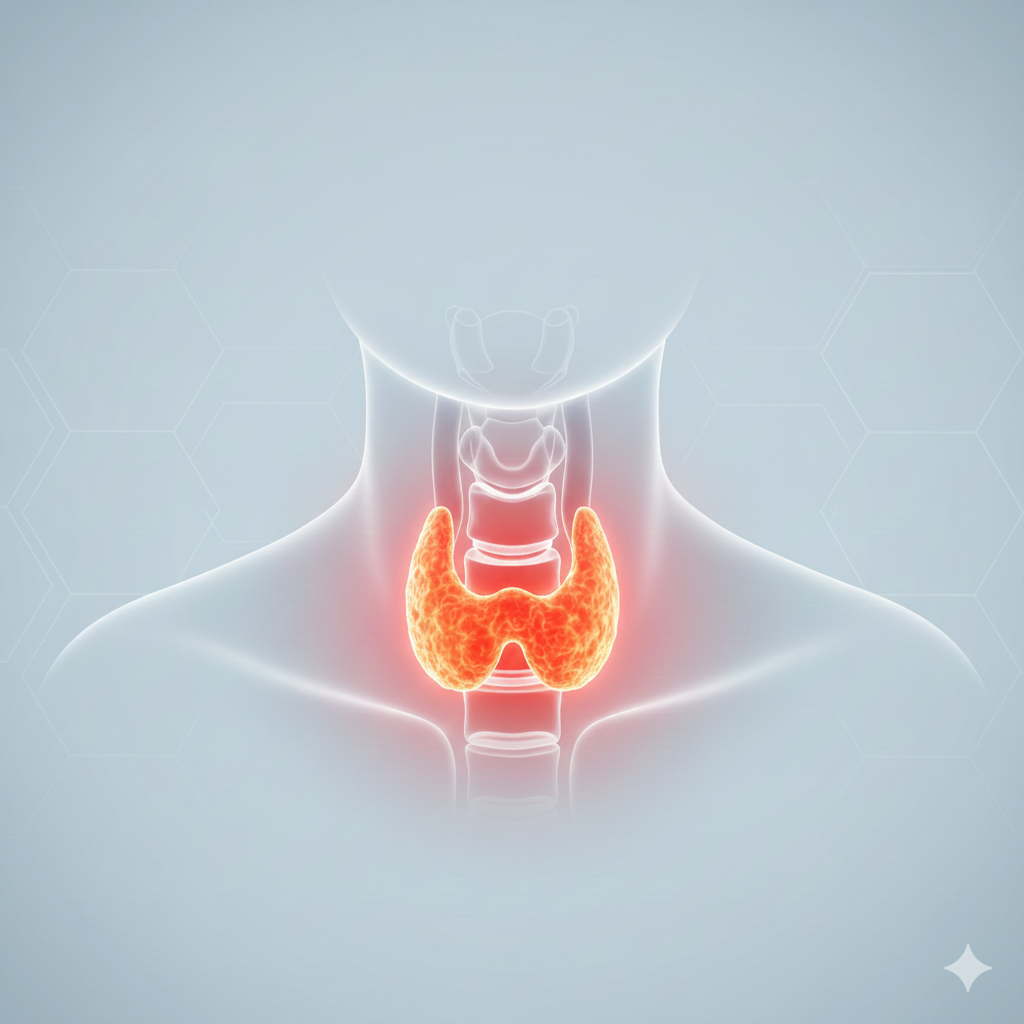
Thyroid disease refers to a variety of disorders that affect the thyroid gland, which is a small butterfly-shaped gland found in the front of the neck. The thyroid gland regulates a variety of biological activities, including metabolism, energy production, and hormonal balance.
The following is an overview of thyroid disease, including its symptoms, causes, and risk factors.
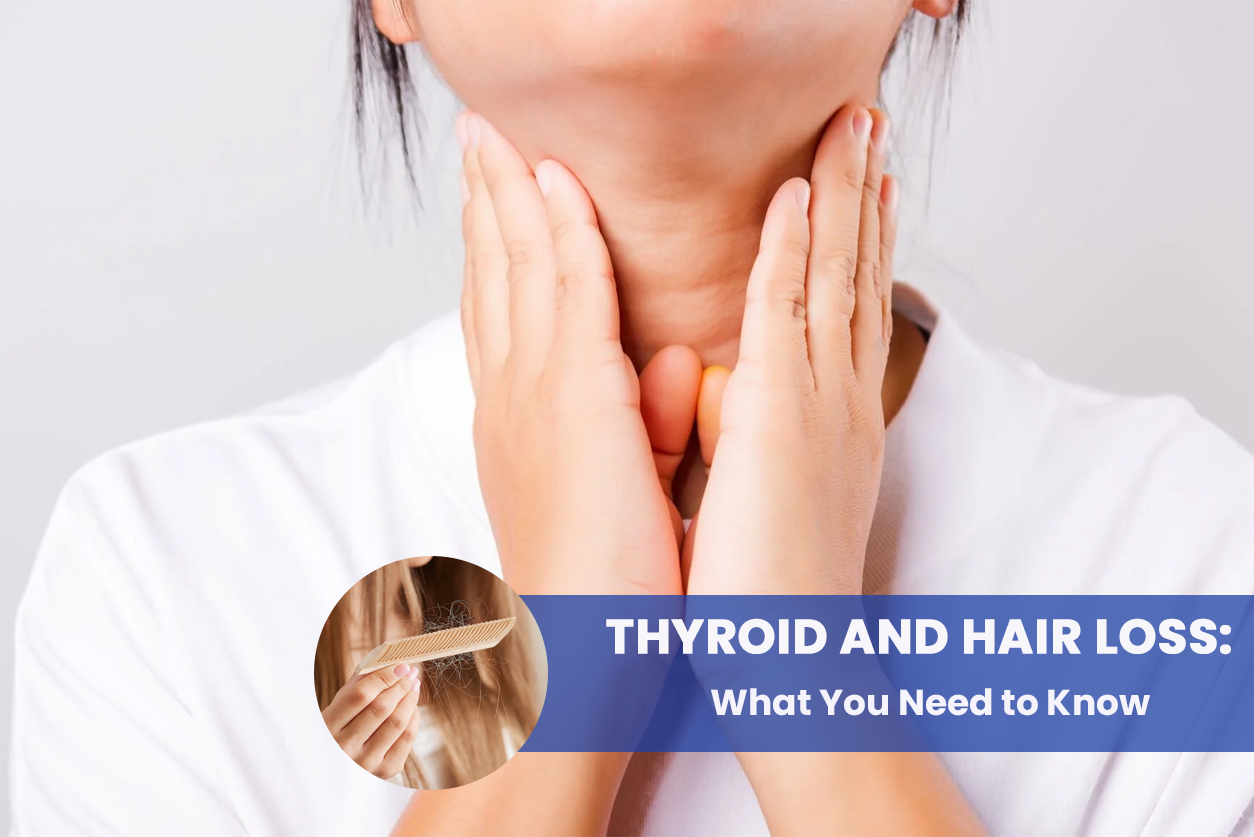
This occurs when the thyroid gland produces insufficient thyroid hormone. Symptoms include fatigue, weight gain, cold sensitivity, dry skin, and hair loss.
This is the opposite of hypothyroidism, in which the thyroid gland produces an excessive amount of thyroid hormone. Weight loss, rapid heartbeat, perspiration, anxiety, and tremors are some of the symptoms.
This is an inflammation of the thyroid gland that can result in hyperthyroidism or hypothyroidism depending on the kind of thyroiditis.
This is an enlarged thyroid gland, which is usually caused by iodine shortage or thyroid nodules.
These are tumors that form within the thyroid gland and can be either benign or cancerous.
Hashimoto's thyroiditis (hypothyroidism) and Graves' disease (hyperthyroidism) are caused by the immune system's attack on the thyroid gland.
Iodine is necessary for thyroid hormone production, and a shortage of it in the diet might cause thyroid disorders.
Hypothyroidism can occur as a result of surgical removal of a portion or the entire thyroid gland.
Radiation therapy to the head, neck, or chest can harm the thyroid gland, resulting in hypothyroidism or thyroid cancer.
Certain drugs, including lithium and amiodarone, could damage thyroid function.
Women are more likely than men to acquire thyroid diseases.
The risk of thyroid disease increases with age.
Having a family history of thyroid disorders increases the risk.
Having other autoimmune diseases, such as type 1 diabetes or rheumatoid arthritis, increases the risk of thyroid disease.
Living in an area with low iodine levels in the soil can increase the risk.
Exposure to radiation, especially during childhood, increases the risk of thyroid cancer and other thyroid disorders.
If you suspect you have a thyroid condition, it's important to see a Doctor for an accurate diagnosis and appropriate treatment. Thyroid disorders can often be managed effectively with medication and lifestyle changes.
Book Appointment
Facebook | Instagram | Twitter | Linkedin | Pinterest