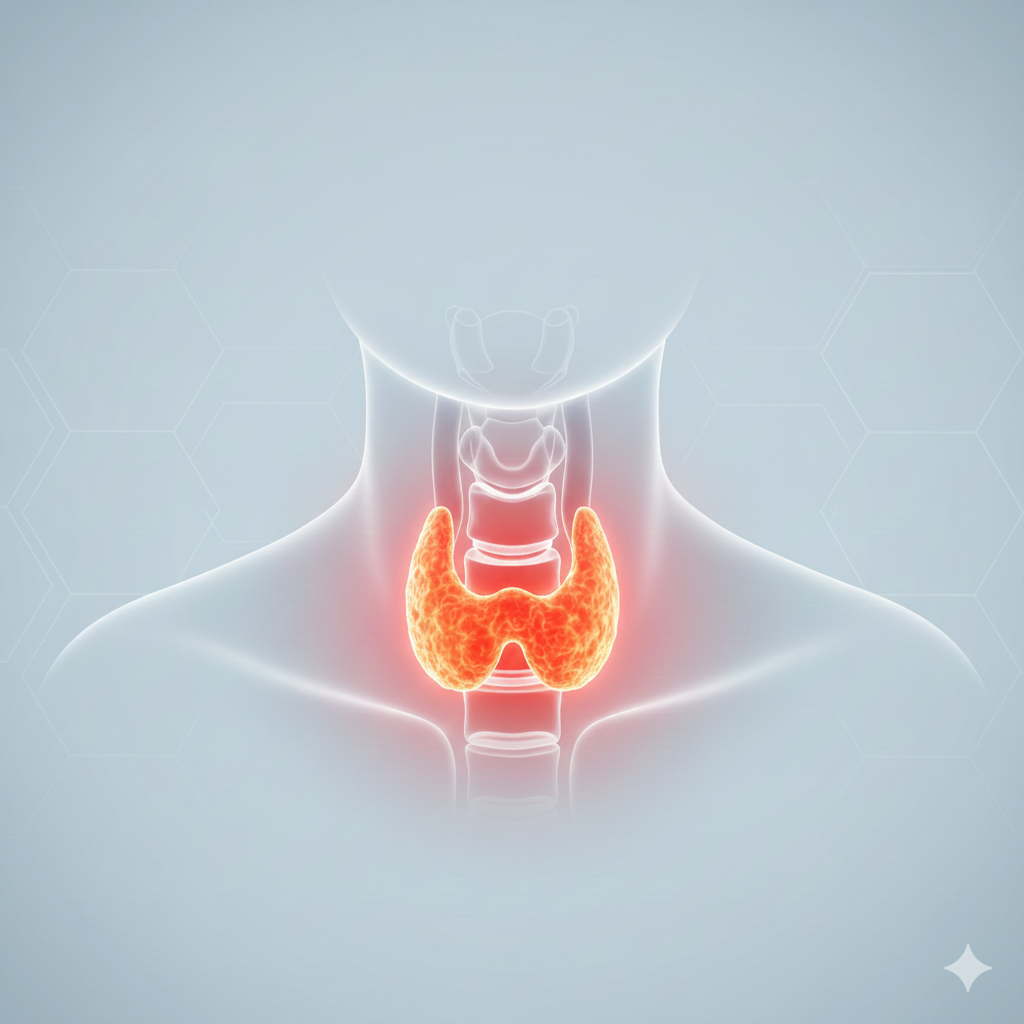
Hyperthyroidism: Understanding the Signs of an Overactive Thyroid
2025-11-27 05:44:22

Hypoglycemia is a condition characterized by abnormally low levels of blood glucose (blood sugar). Glucose is the body's main energy source, and maintaining adequate levels is crucial for proper body and brain function.
Causes of Hypoglycemia
Insulinoma
Low blood sugar, or hypoglycemia, can be caused on by insulinomas. Weakness, sweating, confusion, and a fast heartbeat can all be signs of low blood sugar. Your risk of fainting or even going into a coma increases if your blood sugar falls too low.
The most frequent reason is associated with diabetes treatment, particularly when food consumption or physical activity are not balanced with insulin or oral hypoglycemic medicine.
Low blood sugar can be caused by prolonged fasting or poor diet.
Alcohol consumption may restrict the liver's capacity to release glucose into the bloodstream, particularly when done empty-handed.
Hypoglycemia can be caused on by a number of diseases, including severe liver diseases, hormone deficits (such as adrenal insufficiency), and several serious illnesses.
Quinine and several antibiotics are among the non-diabetic drugs that can lower blood sugar levels.
Hypoglycemia may result from pituitary or adrenal gland disorders.
Symptoms of Hypoglycemia
lShaking or trembling
lSweating
lRapid heartbeat
lHunger
lAnxiety or irritability
lDifficulty concentrating
lConfusion
lBlurred vision
lDizziness or light-headedness
lWeakness or fatigue
lSeizures
lLoss of consciousness
lComa
Management of Hypoglycemia
Consuming 15-20 grams of fast-acting carbs, such as glucose tablets, fruit juice, ordinary (non-diet) soda, or sweets, will help boost blood sugar levels quickly in the event that hypoglycemia symptoms manifest.
Repeat a blood sugar check after 15 minutes. Repeat the procedure if the levels are still low until they reach normal.
Eating a snack or meal high in protein and complex carbs is crucial for maintaining blood sugar levels once they have stabilized.
It could be essential to modify the amount or timing of insulin or other prescriptions for people with diabetes.
Frequent blood sugar monitoring aids in pattern recognition and hypoglycemia prevention.
Stable blood sugar levels can be maintained by eating regular meals and snacks that include balanced servings of carbohydrates, proteins, and fats.
Preventive Strategies
Understanding the causes, symptoms, and management of hypoglycemia is essential for preventing and treating this condition effectively.
Book Appointment
Facebook | Instagram | Twitter | Linkedin | Pinterest