Hyperthyroidism: Understanding the Signs of an Overactive Thyroid
2025-11-27 05:44:22

Hyperglycemia, or high blood sugar, occurs when the level of glucose in your blood rises above the normal range. While it is a hallmark of diabetes, hyperglycemia can also affect non-diabetic individuals under certain circumstances. Understanding the common triggers is essential for prevention and effective management.
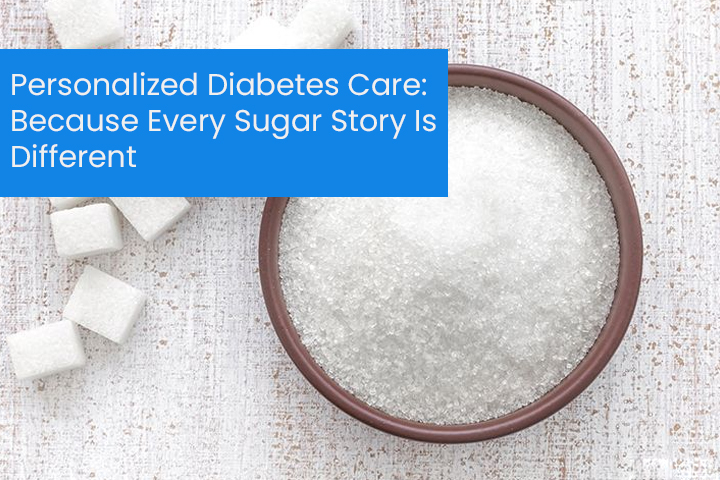
Consuming large amounts of refined carbohydrates, sugary snacks, or drinks can cause a rapid spike in blood sugar levels. These foods are quickly absorbed into the bloodstream, overwhelming the body's ability to regulate glucose.
Skipping fiber, protein, or healthy fats in meals can further accelerate blood sugar spikes.
Opt for low glycemic index foods, such as whole grains, legumes, and vegetables.Balance meals with protein, fiber, and healthy fats to slow glucose absorption. Avoid sugary beverages, which can cause immediate blood sugar surges.
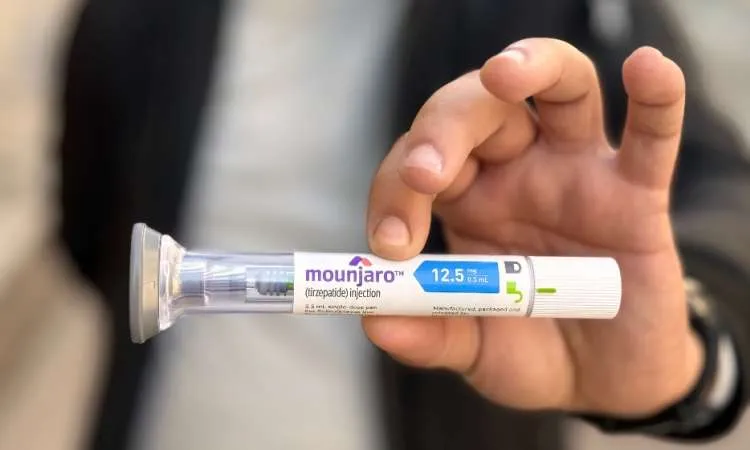
For individuals with diabetes, medications like insulin or oral hypoglycemic agents are critical in controlling blood sugar. Missing doses or taking incorrect amounts can lead to hyperglycemia.
Some medications, such as corticosteroids or certain diuretics, can raise blood sugar levels even in people without diabetes.
Follow your prescribed medication regimen strictly. Inform your doctor about all medications you're taking to avoid interactions.
When you're not active, your body doesn't use glucose as efficiently, leading to higher levels in the bloodstream.
Regular physical activity improves insulin sensitivity, helping cells absorb glucose more effectively.
Incorporate at least 30 minutes of moderate exercise most days of the week.Activities like walking, swimming, or cycling can make a significant difference.
Stress triggers the release of hormones like cortisol and adrenaline, which increase blood sugar levels as part of the –fight or flight– response. Chronic stress can exacerbate hyperglycemia by interfering with insulin function.
Practice stress management techniques, such as deep breathing, meditation, or yoga. Engage in regular physical activity to reduce stress hormone levels.
When your body fights off an illness or infection, it releases stress hormones to provide extra energy, often in the form of glucose. This can lead to temporary hyperglycemia, even in non-diabetic individuals.
Stay hydrated and monitor your blood sugar more frequently during illness.Consult your doctor about adjustments to medication during infections.
In women, hormonal fluctuations can impact blood sugar control. During menstruation or menopause, changes in estrogen and progesterone levels may make blood sugar harder to manage.
Conditions like polycystic ovary syndrome (PCOS) or Cushing's syndrome can also lead to hyperglycemia.
Track your blood sugar levels during hormonal changes to identify patterns.Work with a healthcare provider to adjust treatments if necessary.
Consuming large portions, especially of high-carb or sugary foods, overwhelms your body's insulin response. Eating late at night can exacerbate the problem, as the body's metabolism slows during sleep.
Practice portion control and mindful eating.Avoid eating heavy meals or snacks close to bedtime.
When you're dehydrated, the concentration of glucose in your blood rises due to reduced water volume. This can worsen hyperglycemia and lead to symptoms like extreme thirst.
Drink plenty of water throughout the day. Monitor hydration levels, especially during hot weather or exercise.
Hyperglycemia has many triggers, ranging from diet and lifestyle to stress and illness. By identifying and addressing these factors, you can take proactive steps to manage your blood sugar levels effectively.
Book Appointment
Facebook | Instagram | Twitter | Linkedin | Pinterest